PHASE Scientific Showcases End-to-End “Screen–Diagnose–Treat” Solution at CSCCP 2026 to Help Close Cervical Cancer Screening Gaps
Press ReleaseMay 18, 2026
Peking University Shenzhen Hospital Team Shares Interim Evaluation Data from Urine-Based Cervical Cancer Screening Study
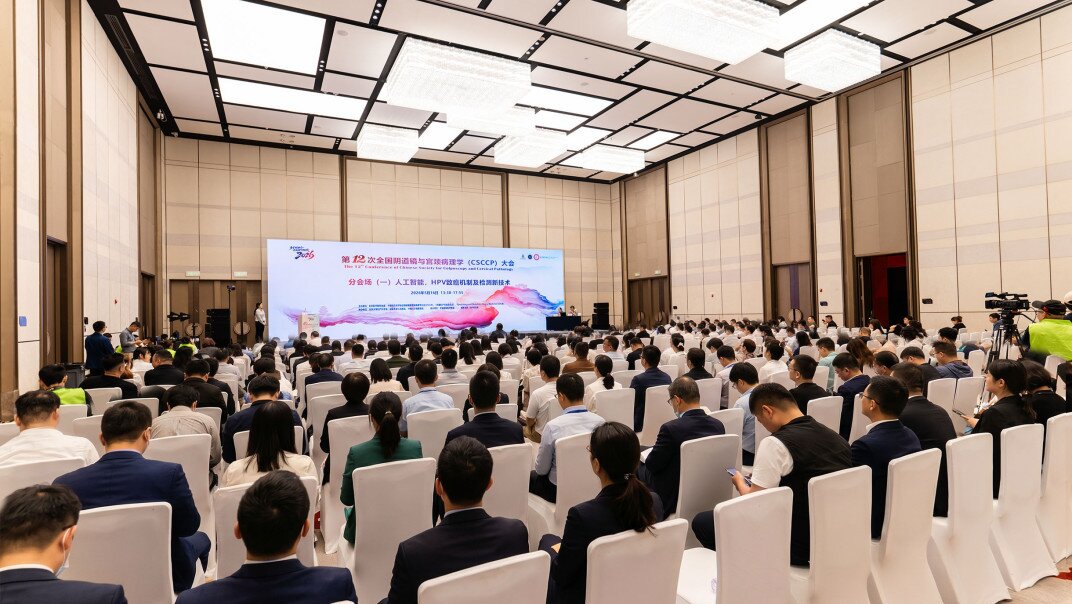
May 18, 2026 | Changsha, China — At the 12th Chinese Society for Colposcopy and Cervical Pathology (CSCCP) Meeting, PHASE Scientific (“PHASE”) presented an integrated cervical cancer prevention pathway designed to support screening, diagnosis, and treatment through a combination of molecular testing and medical devices. The company highlighted how a single, non-invasive urine sample can be used not only for primary HPV screening, but also, where appropriate, for molecular triage, helping connect early detection with timely clinical action.
Interim evaluation findings from the “Establishment and Promotion of an Innovative Model for Cervical Cancer Prevention and Control (SCOCCAPS)” study were shared by Peking University Shenzhen Hospital (PUSH) and collaborating clinical institutions during the Meeting. As the study’s technology partner, PHASE emphasized a closed-loop workflow built around its patented PHASiFY® sample preparation technology, which is designed to increase the concentration of target analytes in liquid samples such as urine. The overall model aims to reduce practical barriers—such as limited access to sampling, repeat visits for additional testing, and delays in referral—especially in primary-care and resource-limited settings.
The pathway begins with PHASiFY®-enabled urine HPV testing for primary screening. For individuals who test HPV-positive, the same workflow can trigger host methylation testing as a triage step to support risk stratification and help guide next steps such as colposcopy and subsequent clinical management. PHASE presented this “one urine, two tests” approach as a practical model that could be scaled to help more women complete the screening-to-management continuum.
China has continued expanding its “two-cancer screening” initiatives, yet cervical cancer screening coverage among eligible women in 2023–2024 was 51.5% overall and 48.2% in rural areas—still short of the World Health Organization’s 70% target. PHASE noted that evidence-backed, easier-to-access screening pathways could help reduce the gap for women who have never been screened, while supporting primary-level institutions in delivering a more complete prevention-and-control continuum in line with China’s Accelerating Cervical Cancer Elimination Action Plan (2023–2030).
Dr. Ricky Chiu, Founder and CEO of PHASE, said: “Meeting cervical cancer prevention and control goals will take more than any one test or product. What’s needed is an integrated, end-to-end pathway—from screening to diagnosis to treatment—designed for the realities of primary-care settings. That’s the intention behind PHASE’s full-scope solution.”
Dedicated CSCCP Session Features SCOCCAPS Interim Data and Emerging Technologies
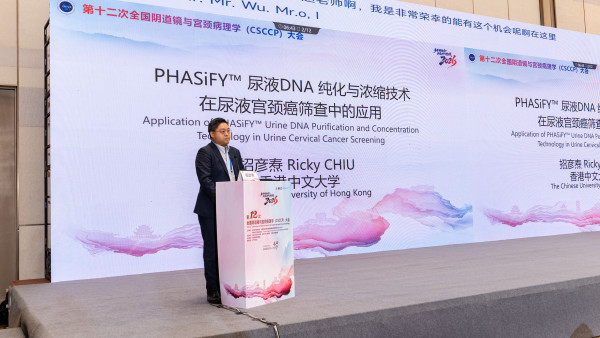
To encourage domestic innovation and clinical validation, CSCCP 2026 hosted a dedicated session on “Artificial Intelligence, HPV Carcinogenesis Mechanisms, and New Testing Technologies.” The session featured interim SCOCCAPS data led by PUSH, including interim evaluation results supporting disease-endpoint validation for PHASE-developed urine high-risk HPV testing and host methylation testing. The session also included validation work by the PUSH team in areas such as intelligent colposcopy and ablative therapy technologies for cervical precancerous lesions.
The session was co-chaired by Professor Ruifang Wu, Director of the Institute of Obstetrics and Gynecology Research at PUSH, and Professor Gengli Zhao of Peking University First Hospital. Presentations from PUSH and collaborating institutions marked the first public release on a national academic platform of disease-endpoint validation results for PHASE’s urine HPV test and host methylation test products.
Interim findings presented at the session indicated that PHASiFY®-based urine HPV testing (PHASiFY-EG), in a primary cervical cancer screening population, demonstrated higher sensitivity for detecting cervical precancerous lesions compared to the FDA-approved Roche Cobas HPV test (86.96% vs 76.09%). These results support urine testing as an effective option for primary screening and suggest it may help expand participation by lowering barriers to sample collection.
SCOCCAPS also evaluated a “one urine, two tests” workflow: high-risk HPV testing from a single urine sample, with reflex methylation testing triggered when HPV is positive. Sensitivity for detecting cervical precancerous lesions (CIN2+ and CIN3+) was comparable to the control method (vaginal self-sampling Cobas HPV testing plus TCT cytology), indicating the potential for a primarily molecular pathway that may be easier to deploy in resource-limited environments.
Across the session, seven experts shared perspectives on urine HPV testing and related technologies, including technical principles, screening performance, validation in enriched populations, molecular triage strategies, AI-assisted colposcopic assessment, and treatment evaluation. Professor Ruifang Wu commented: “The real value of this approach is that it helps shift cervical cancer prevention and care away from a model dominated by large tertiary hospitals and toward one that can be delivered more widely at the primary-care level. That shift is exactly what’s needed to raise both the quality and the reach of the national two-cancer screening program.”
Extending Evidence Beyond the Conference: HKU Collaboration in Hong Kong
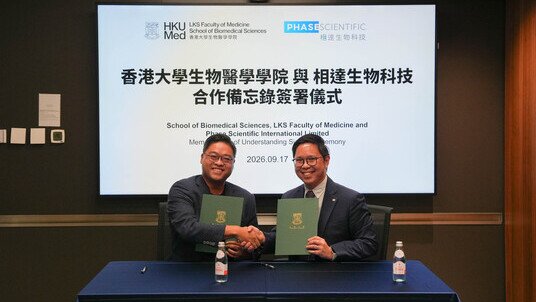
PHASE also referenced ongoing collaboration with the University of Hong Kong (HKU) on a prospective study in Hong Kong to validate the clinical performance of urine HPV testing for detecting cervical intraepithelial neoplasia (CIN) and cervical cancer in enriched populations. The goal is to provide additional evidence supporting a non-invasive screening pathway suitable for community-based eligible women, while also clarifying the value of urine testing in symptomatic or higher-risk groups.
Professor Karen Chan, Head of the Department of Obstetrics and Gynaecology at HKU, noted: “The performance of urine HPV testing in clinically enriched populations suggests it also has important application value among symptomatic or high-risk groups.”

From Risk Identification to Care Delivery: A Closed-Loop Prevention Pathway
PHASE’s CSCCP showcase emphasized how urine-based screening and molecular triage can be designed to connect more directly to downstream clinical actions—supporting a closed-loop pathway from risk identification to assessment to treatment initiation. In practice, PHASE noted, delays and loss to follow-up often occur when positive screening results require multiple appointments, repeat sampling, or long referral pathways. A same-sample screening-and-triage approach is intended to reduce friction and help clinicians prioritize patients who may benefit most from further evaluation.
PHASE’s end-to-end solution includes:
- Screening and triage: Urine HPV testing can reduce barriers to sample collection. For HPV-positive individuals, host methylation testing can provide additional risk stratification to support follow-up prioritization and more efficient allocation of colposcopy capacity.
- Diagnostic assessment: A handheld intelligent colposcope supports cervical image-assisted assessment and quality-control concepts, with the aim of reducing barriers to colposcopy adoption and improving consistency across operators (effectiveness is subject to verification in studies and real-world settings).
- Treatment linkage: Tools including a handheld thermal ablation device and a portable electrosurgical unit (for cervical LLETZ/LEEP procedures) are intended to support, under appropriate indications and compliant clinical workflows, more timely outpatient management and reduced delays related to referral and scheduling.
PHASE stated that, together, these elements are intended to help primary-care systems move closer to a “screen–diagnose–treat” model that is simpler to execute, easier for patients to complete, and better aligned with the operational realities of community and rural healthcare delivery.